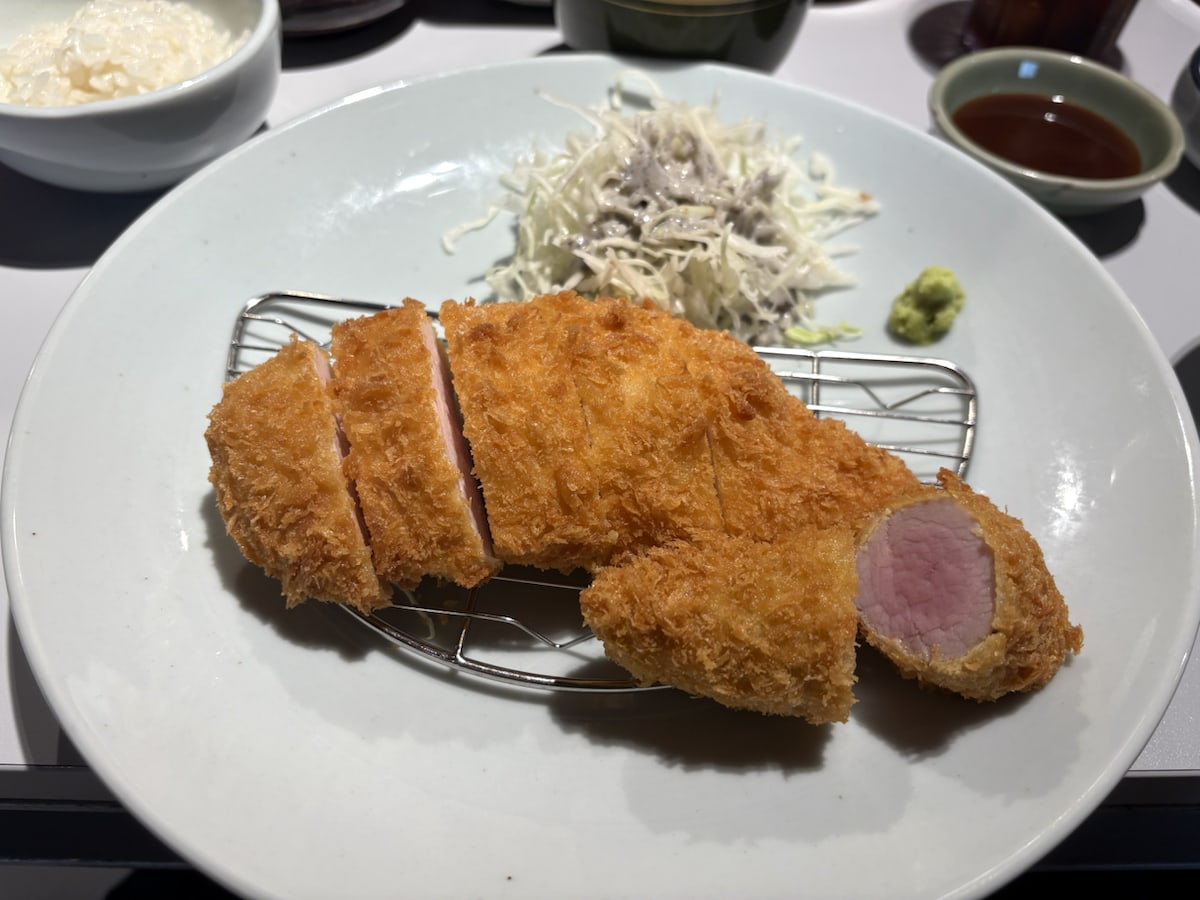
Heki in Mangwon-dong is the kind of donkatsu place that makes sense if you are already planning a Mangwon, Hapjeong, or Hongdae food day. It is not a restaurant I would build an entire Seoul itinerary around without checking the same-day wait first, but it can be a strong stop if you want a crisp, modern katsu meal and a neighborhood walk afterward.
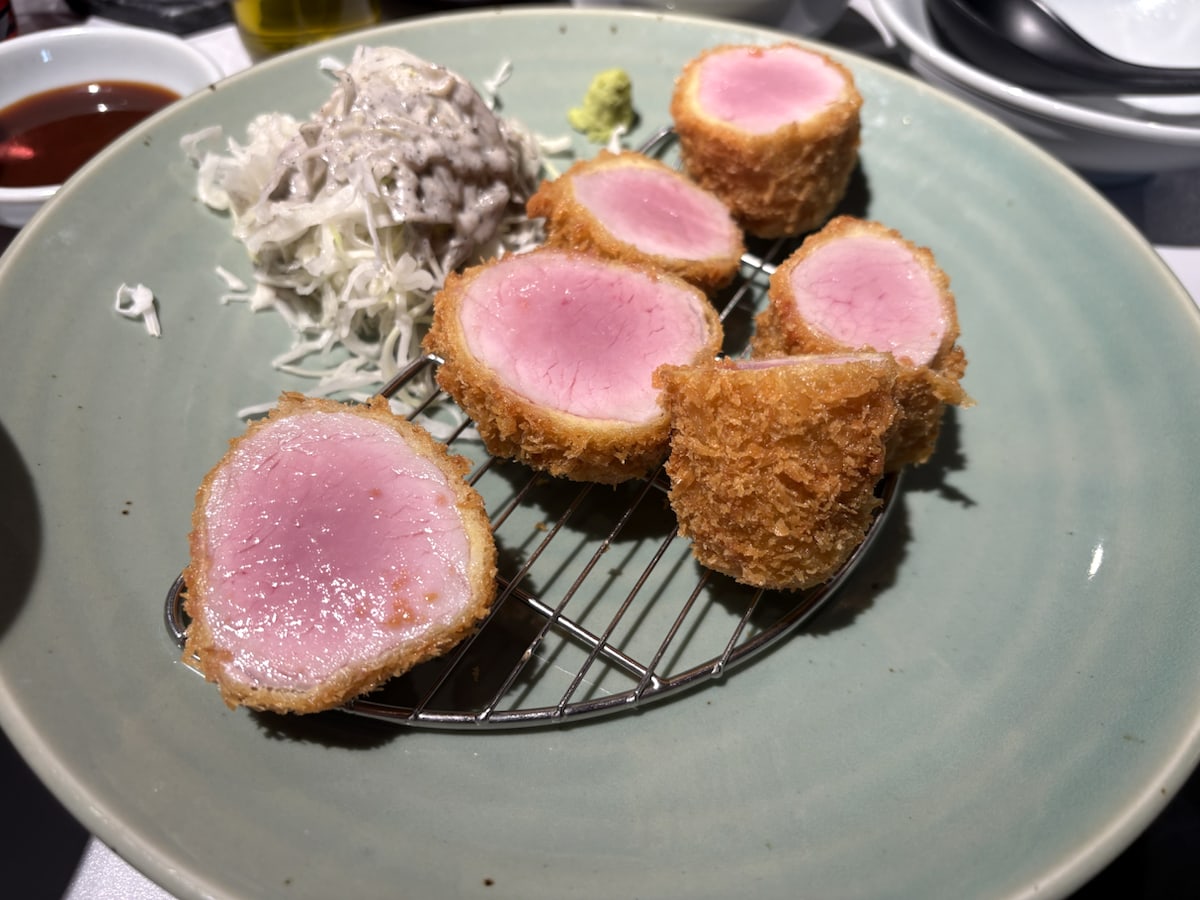
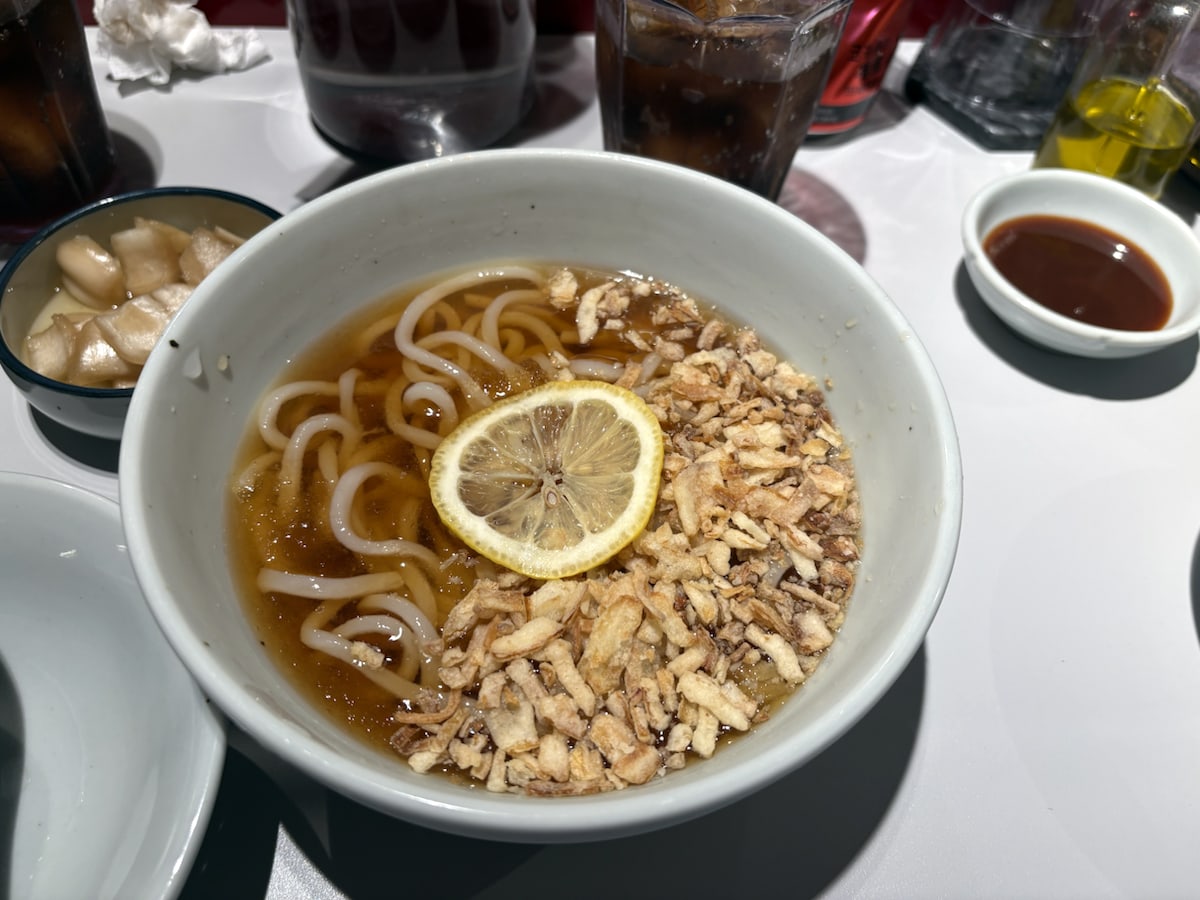
The photos in this guide are from a real Heki Mangwon visit. Use them as visual context, not as a promise that the menu, price, hours, wait time, or queue system will be the same when you go.
Quick verdict: should you wait for Heki?
| If you are… | My practical call |
|---|---|
| Already near Mangwon or Hapjeong | Worth checking, especially for lunch or an early dinner. |
| Coming only for this restaurant | Check current hours and wait first. Have a backup plan nearby. |
| A solo traveler | Usually a good type of meal because katsu works as a single-person order. |
| With a very tight schedule | Skip if there is a long queue. Mangwon has other food and cafe options. |
| Uncomfortable with pink-centered pork | Look carefully at menu photos or choose another katsu style that fits your comfort. |
What Heki is good for
Heki is useful for travelers because the meal is focused. You are not trying to decode a huge Korean menu, grill meat yourself, or share a stew with a group. You are mostly choosing a cutlet style, then eating it with rice, cabbage, sauce, and sides.
A Seoul restaurant listing describes Heki as a Mangwon-dong Japanese-style pork cutlet restaurant, and that is the right expectation: this is closer to thick, sliced katsu than to the wide, thin, brown-sauce donkatsu plates many Koreans grew up eating.
If you want the background first, read this broader guide: What is donkatsu in Korea?. The short version is that Korea uses several spellings and styles: 돈까스, 돈카츠, donkatsu, tonkatsu, and katsu can all appear around fried pork cutlet meals.
Menu words to know before you go
You do not need fluent Korean, but a few menu words help a lot:
| Korean | Common meaning | What to expect |
|---|---|---|
| 등심 | loin | A common first order; usually meatier and familiar. |
| 안심 | tenderloin | Often softer, rounder pieces; can be served pinker in modern katsu shops. |
| 히레 | hire / tenderloin-style katsu | A Japanese-menu word many katsu shops use for tenderloin. |
| 로스 | rosu / loin-style katsu | A Japanese-menu word many katsu shops use for loin. |
| 냉우동 | cold udon | A chilled noodle side or separate dish, good when the meal feels heavy. |
| 소스 | sauce | Usually served separately, but styles differ by restaurant. |
How to visit without making it stressful
- Check the current listing before you leave. Hours, break time, and sold-out status can change.
- Arrive with a flexible window. Popular Seoul restaurants can develop lines even outside obvious tourist areas.
- Look for a queue tablet, staff instruction, or sign before standing randomly in front.
- Decide your order before sitting down. Pick loin/tenderloin first, then add noodles or sides only if you are hungry.
- If the wait is too long, do not force it. Turn the plan into a Mangwon Market and cafe walk instead.
If you are nervous about Korean waiting systems, this guide will help: How to book or join restaurant waitlists in Korea.
What to pair with the meal
The smart way to visit Heki is to make it part of a Mangwon outing, not the only reason you cross Seoul. Mangwon is close enough to Hongdae and Hapjeong to work as a half-day food neighborhood. You can eat katsu, walk toward Mangwon Market, then use the area for coffee or a small dessert stop.
This matters because a queue feels much less annoying when the neighborhood itself is the plan. If Heki is full, your afternoon is not ruined. You still have a local market, side streets, cafes, and easy transit nearby.
Simple Korean phrases for this kind of meal
If there is staff interaction, these are enough for most travelers:
- 두 명이에요. Two people.
- 혼자예요. I am alone.
- 이거 하나 주세요. One of this, please.
- 물 주세요. Water, please.
- 카드 돼요? Can I pay by card?
For a fuller script, use Korean restaurant phrases for travelers.
What I would not promise
I would not promise a specific wait time, exact price, menu availability, or current queue method. Seoul restaurant information changes quickly, and viral attention can make a normal plan suddenly awkward. Treat old blogs and short-form videos as signals, then verify the live details the day you go.
That is also why I would not call Heki a must-do for every traveler. It is a good candidate if you like katsu and want a Mangwon food stop. It is not worth losing half a day if your real goal is sightseeing, shopping, or meeting friends on time.