Donkatsu is one of the easiest restaurant meals to understand in Korea. Even if you cannot read the whole menu, the basic idea is familiar: a breaded pork cutlet, rice, cabbage, sauce, and a few small sides.
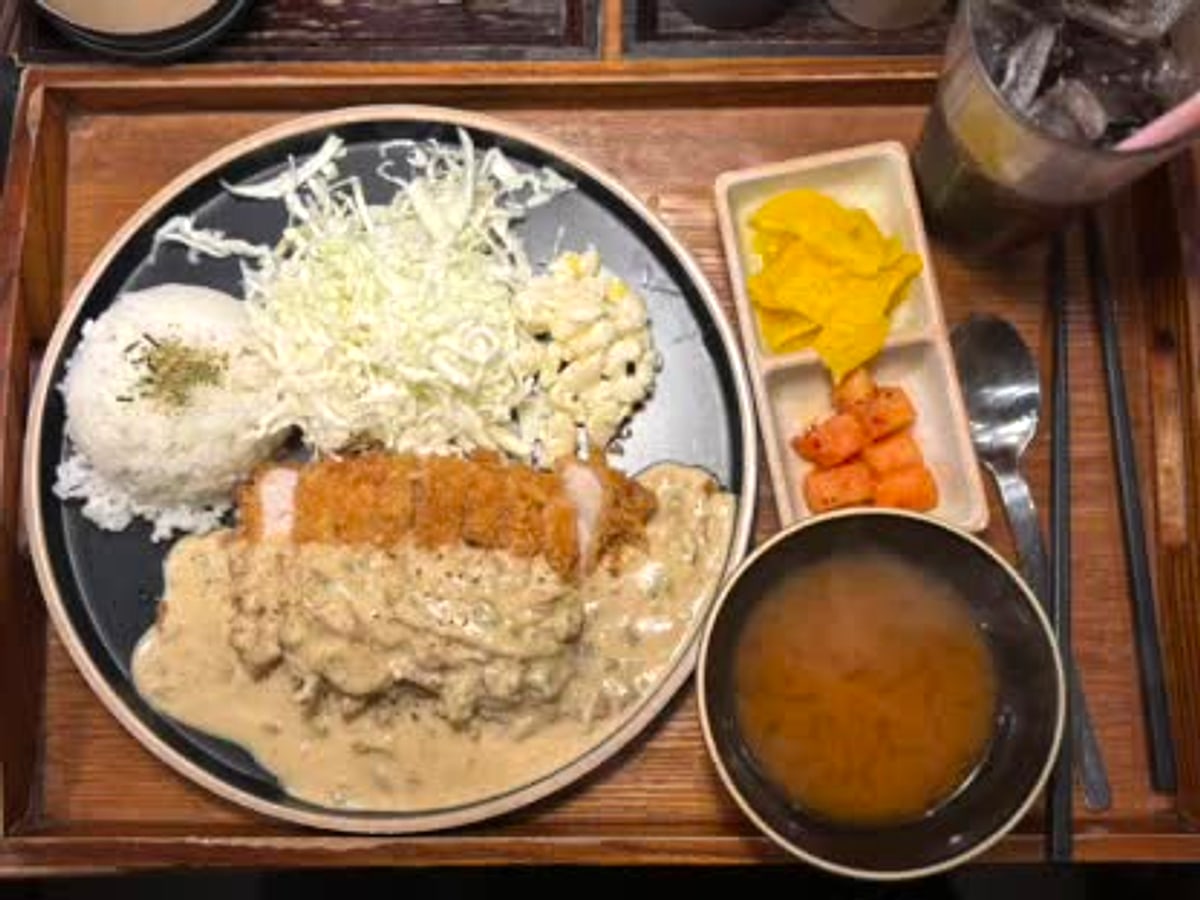
The photos in this guide are from a real katsu meal at Katsup Hongdae (카츠업 홍대점). Use them as a practical example of what a Korean katsu plate can look like, not as a promise that the menu, price, wait time, or opening hours will be the same when you visit.
What does donkatsu mean in Korea?
In Korea, you may see several spellings for the same general idea: donkatsu, donkkaseu, pork cutlet, 돈까스, 돈카츠, or simply 카츠. They all point toward breaded fried cutlet dishes, usually pork, served as a filling restaurant meal.
The dish comes from Japanese tonkatsu, but Korea has its own everyday versions. Some places serve thin, sauce-covered, Korean-style pork cutlets. Others serve thicker Japanese-style katsu. Many casual Seoul restaurants now mix both styles on one menu, so it is better to read the menu words than assume one fixed style.
Why it is a good first-time visitor meal
Donkatsu is useful for travelers because it is predictable without being boring. It is usually less intimidating than a shared stew, easier than a grill table if you are alone, and more filling than a cafe snack. In neighborhoods like Hongdae, it can also be a good backup when famous restaurants have long lines.
What comes on the plate
A Korean donkatsu or katsu plate often feels like a full set meal. The exact details vary, but first-time visitors can usually expect some combination of these:
- Cutlet: breaded fried pork, chicken, or sometimes shrimp/fish depending on the menu.
- Rice: usually a small mound or bowl of white rice.
- Cabbage: shredded cabbage helps balance the fried food.
- Sauce: brown donkatsu sauce, curry sauce, cream sauce, spicy sauce, or a house sauce.
- Small sides: pickles, radish, kimchi-style cubes, macaroni salad, or soup.
This is why donkatsu can be a safe meal when you are hungry and tired. You do not need to build the meal from several separate dishes. One order usually gives you the structure.
Menu words to know
These are the menu words that matter most:
- 등심카츠: loin katsu. A common first order.
- 안심카츠: tenderloin katsu. Often softer and leaner.
- 모듬카츠: mixed katsu. Useful if you want to try more than one cut.
- 치즈카츠: cheese-filled katsu.
- 돈카츠카레: katsu with curry.
- 김치카츠나베: katsu cooked in a hot kimchi-style nabe dish.
- 냉모밀: cold soba, often a side or set option.
If you want the safest first order, choose loin or tenderloin katsu. If you want something richer, choose cream, cheese, curry, or nabe-style options only after checking the photo or menu description.
Korean-style or Japanese-style?
Travelers often ask whether donkatsu is Korean or Japanese. The practical answer is: the dish comes from Japanese tonkatsu, but Korea has made it part of everyday dining. You will find older Korean-style pork cutlet plates, modern Japanese-style katsu restaurants, curry versions, cheese versions, and casual fusion menus.
So instead of asking which country “owns” the dish, ask what style the restaurant is serving. Is the cutlet already covered in sauce? Is it served with curry? Is it thick and sliced? Is it a hot nabe dish? Those clues tell you more than the English spelling.
If you want a real Seoul example after learning the basics, read the Heki Mangwon donkatsu first-time visitor guide.
A real Hongdae example
Katsup Hongdae is listed by local Korean restaurant sources around Hongik-ro 10, Seogyo Prugio. Those sources describe it as a katsu/donkatsu place with menu examples such as loin katsu, tenderloin katsu, mixed katsu, cream katsu, curry katsu, and kimchi katsu nabe.
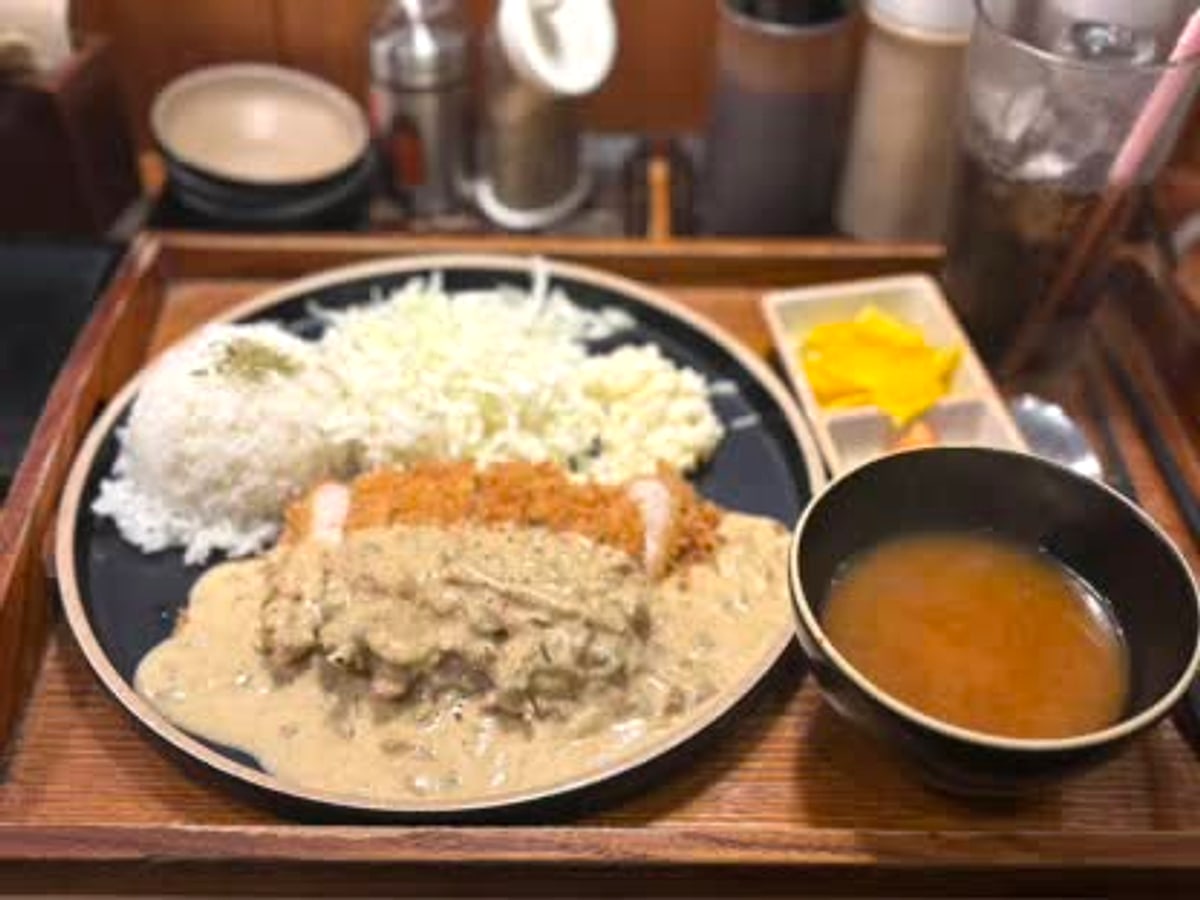
The useful part for visitors is not that you must go to this exact place. The useful part is the format: a clear single-person meal, a familiar main dish, and a plate structure that does not require much explanation.
How to order without overthinking
- Choose one main katsu plate first.
- If you are unsure, start with loin or tenderloin.
- Check whether the sauce is already on top or served separately.
- If there is a kiosk, look for photos and English menu labels before pressing anything.
- Do not add too many sides on the first visit. The main plate is usually filling.
If the restaurant is busy, check whether it uses a kiosk, waiting list, or app-based line. In Hongdae, even casual-looking places can get crowded during lunch and dinner peaks.
What to check before visiting
- Current hours: do not rely on old blog posts for closing time.
- Current menu: cream, curry, cheese, nabe, and set options can change.
- Waiting system: some places use kiosks or digital queues.
- Solo seating: katsu restaurants are often solo-friendly, but not every branch has the same layout.
- Payment: card is common, but keep a backup method when traveling.
For a first trip to Korea, donkatsu is a good “low-stress meal” to keep in your back pocket. It is not the most dramatic Korean food, but it is exactly the kind of reliable meal that can save an evening when your first choice has a long line.
Useful links before you go
- What to eat in Hongdae on your first night
- How to book or join restaurant waitlists in Korea
- How to order Korean street food without speaking Korean
- Polle listing: Katsup Hongdae
- My Korean Kitchen: Donkatsu
- Maangchi: Donkkaseu
For more menu confidence beyond cutlets, use the Korean restaurant menu words guide to recognize ingredients, cooking styles, and set-meal words.